Inuit (Eskimo),
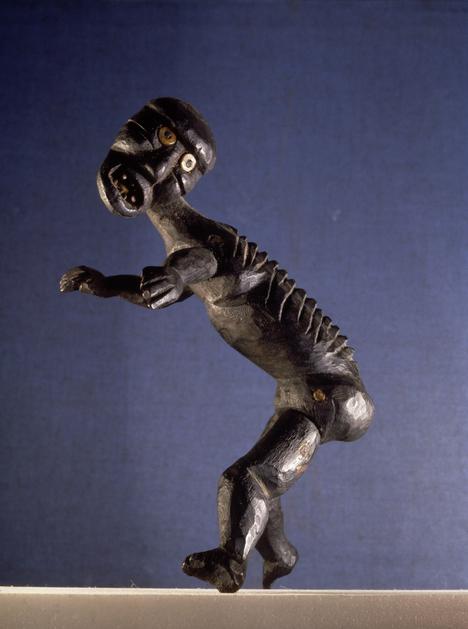
East Greenland.
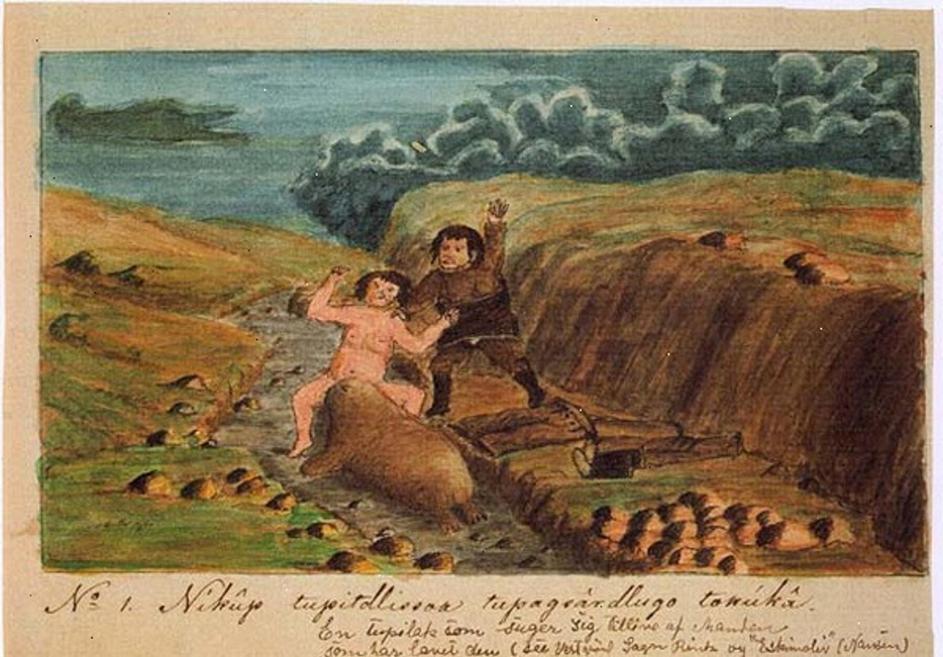
Figure of a Tupilaq (Bringer of misfortune, cut by a shaman).
Wood, walrus tooth, bone.
William Channing Collection.,Image: 147386369, License: Rights-managed, Restrictions: , Model Release: no
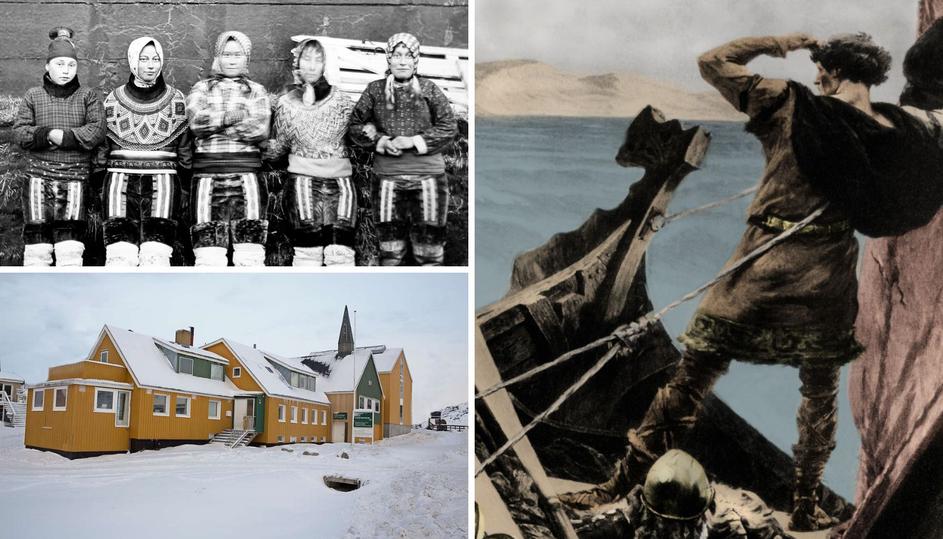
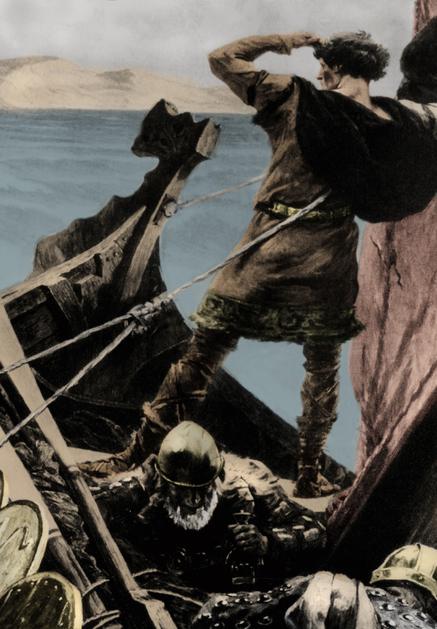
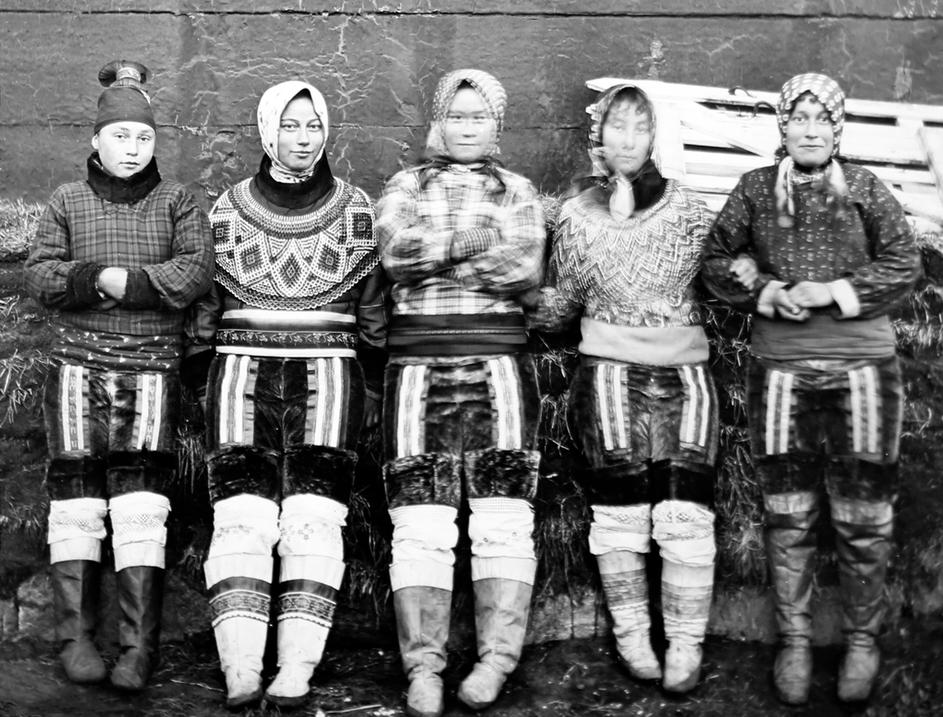
We have provided an indication of when each photograph was taken but this is only intended as a guide. For instance, where an image is described as Victorian period or early 1900s, more detailed research might show that it is earlier or later than described. The location, where one is given, is taken from the caption that was on the original photograph when we purchased it and, as such, is probably accurate but may not be. Where an image is coloured, it is not a colour photograph. It was hand-coloured at the time it was originally published. The Keasbury-Gordon Photograph Archive.,Image: 978595646, License: Royalty-free, Restrictions: , Model Release: no
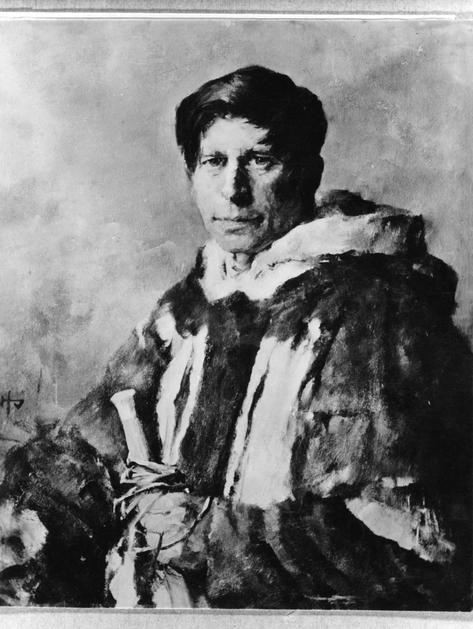
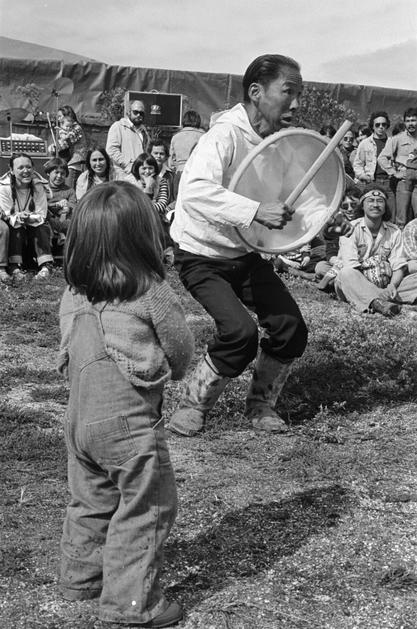
The Inuit are the most widespread aboriginal people on earth. As a very large indigenous group inhabiting the Arctic regions of Alaska, Canada, Greenland, and Russia, the Inuit exhibit many variations in cultural practices and customs.
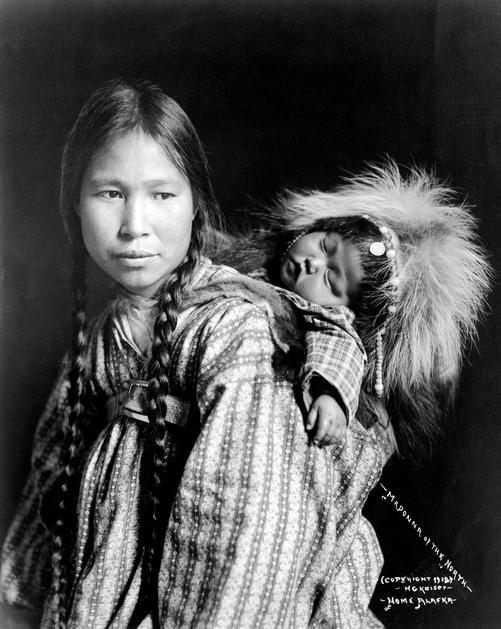
In Inuit communities, the women play a crucial role in the survival of the group. The responsibilities faced by Inuit women were considered equally as important as those faced by the men. Because of this, the women were given due respect, but are not given an equal share of influence or power.,Image: 313930755, License: Rights-managed, Restrictions: , Model Release: no